
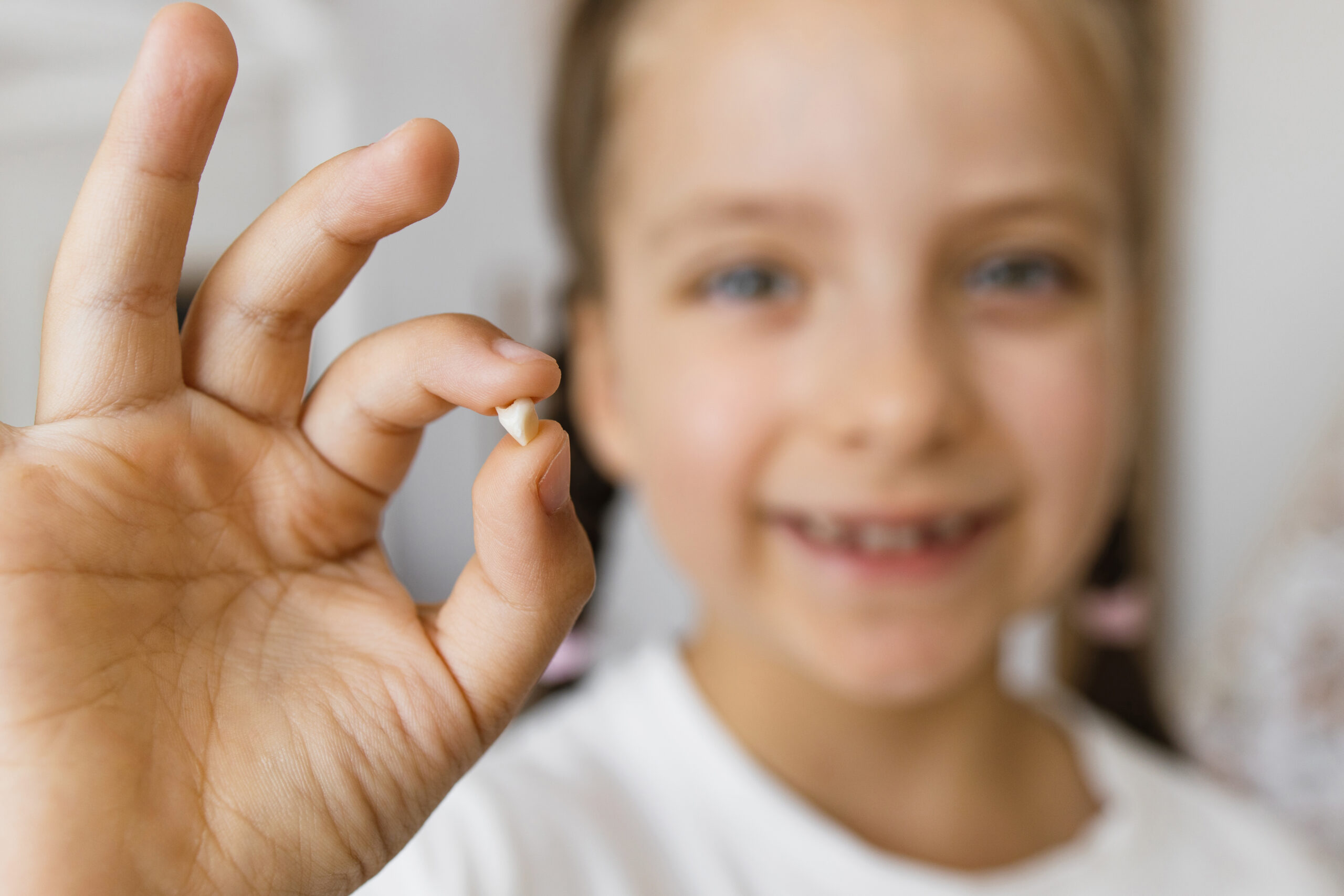
One minute, everything is fine. The next, you’re holding a piece of your tooth, tasting blood, or staring at a gap in your smile after an unexpected accident.
Dental injuries rarely happen at convenient times. Whether you chipped a tooth while eating, took an elbow during a basketball game, or fell, knowing what to do in the first few minutes can make a significant difference.
When a permanent tooth is knocked out or seriously fractured, time matters.
At Lake City Dental, we understand how frightening an unexpected dental injury can feel. Our team provides emergency dental care for patients throughout Lake City, Live Oak, Fort White, White Springs, and surrounding North Florida communities.
If you’re dealing with a dental injury, here’s what you need to know to protect your tooth, manage discomfort, and get the right treatment.
Is a Broken Tooth Considered a Dental Emergency?
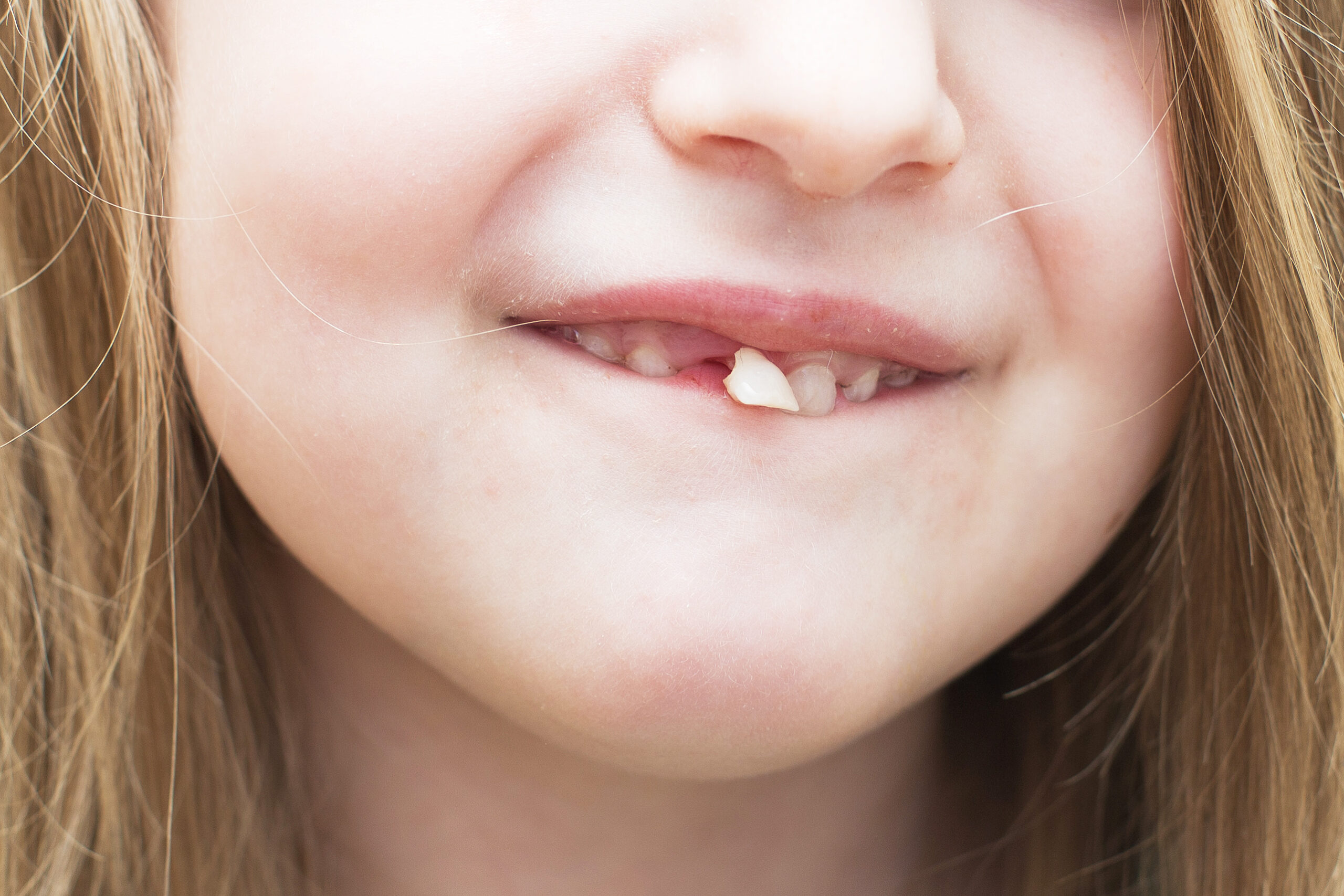
Not every chipped tooth requires immediate treatment, but any dental injury deserves attention.
A minor chip that affects only the outer enamel may be primarily cosmetic. A deeper fracture, however, can expose the sensitive inner layers of your tooth, damage the nerve, or create an opening for bacteria.
The urgency depends on several factors, including the location of the injury, the amount of tooth structure lost, and whether the nerve or supporting tissues are involved.
Contact an emergency dentist promptly if you experience:
- Significant tooth pain or sensitivity.
- A large crack or missing portion of a tooth.
- Bleeding around an injured tooth.
- A permanent tooth that feels loose or displaced.
- Swelling around the gums or jaw.
- Difficulty biting or closing your mouth normally.
- A sharp tooth edge cutting your tongue or cheek.
Even if the tooth doesn’t hurt, an examination may reveal damage that isn’t visible in the mirror.
Our emergency dental services in Lake City focus on identifying the problem, explaining your options, and determining the safest treatment.
What to Do Immediately If You Break a Tooth
The steps you take after breaking a tooth can help protect the remaining structure and minimize additional irritation.
Step 1: Rinse Your Mouth Gently
Use lukewarm water to rinse away blood, food particles, or debris.
Avoid vigorous swishing if your gums are bleeding or you’ve experienced a significant injury.
Step 2: Save Any Broken Pieces
If you can locate the broken portion of your tooth, place it in a clean container and bring it to your appointment.
In some cases, a dentist may be able to reattach a fragment. Even when that’s not possible, examining the fragment can provide useful information about the fracture.
Step 3: Control Bleeding
Apply gentle, consistent pressure using clean gauze if the surrounding gums or soft tissues are bleeding.
If bleeding is heavy or cannot be controlled, seek urgent medical attention.
Step 4: Reduce Swelling
Apply a cold compress to the outside of your cheek for approximately 10 to 15 minutes at a time.
Place a cloth between the compress and your skin.
Step 5: Avoid Chewing on the Injured Tooth
Choose soft foods and avoid biting directly on the damaged tooth.
Hard, crunchy, or sticky foods could cause the fracture to worsen.
Step 6: Call Your Dentist
Contact Lake City Dental at (386) 752-8531 and explain what happened.
Our team makes every effort to accommodate patients experiencing dental emergencies within 24 business hours, with same-day care when availability permits.
What If Your Permanent Tooth Gets Completely Knocked Out?
A knocked-out permanent tooth, also called an avulsed tooth, is one of the most time-sensitive dental emergencies.
The cells attached to the tooth root begin to deteriorate when the tooth is outside its socket, particularly if it becomes dry.
Acting quickly can improve the chances of successfully reimplanting the tooth.
5 Steps That Could Help Save a Knocked-Out Tooth
- Pick up the tooth by the crown.
The crown is the visible portion normally above the gumline. Avoid touching or rubbing the root.
- Rinse it carefully if necessary.
If the tooth is dirty, gently rinse it with milk or sterile saline. Do not scrub, scrape, or use disinfectants.
- Reinsert the tooth if it’s safe to do so.
For a permanent tooth, gently placing it back into the socket immediately can improve the chance of successful treatment. Do not force it into position. Have the person gently bite on clean gauze to hold it in place.
- Keep the tooth moist if reinsertion isn’t possible.
Use a tooth-preservation solution or milk. The tooth should never be allowed to dry out.
- Seek emergency care immediately.
Ideally, a knocked-out permanent tooth should be evaluated and reimplanted within 30 minutes. However, seek care even if more time has passed.
Important: Never reinsert a knocked-out baby tooth. Doing so can damage the developing permanent tooth underneath.
If the injury involves significant facial trauma, loss of consciousness, or other serious symptoms, seek emergency medical care.
Can a Broken Tooth Be Saved?
Many damaged teeth can be repaired, but the recommended treatment depends on the severity of the fracture.
Your dentist will examine the tooth and may take diagnostic X-rays to determine whether the root, nerve, or surrounding bone has been affected.
Dental Bonding for Minor Chips
Small chips may be repaired using tooth-colored composite resin.
Bonding can restore the shape of a tooth while blending with the surrounding enamel.
Dental Crowns for Larger Fractures
If a substantial portion of the tooth has broken away, a dental crown may be recommended.
A crown covers and protects the remaining tooth structure, helping restore function and appearance.
Lake City Dental uses modern digital technology to support precise treatment planning and restorative care.
Root Canal Therapy for Nerve Damage
If the fracture exposes or damages the pulp inside the tooth, root canal treatment may be needed.
During treatment, the damaged or infected tissue is removed, and the internal canals are cleaned and sealed.
A crown may then be recommended to protect the remaining tooth.
Tooth Extraction and Replacement
Some fractures extend too far beneath the gums or involve extensive root damage.
When a tooth cannot be restored predictably, extraction may be necessary.
Your dentist can discuss options for replacing the missing tooth, including dental implants or other restorations.
What Happens During an Emergency Dental Appointment?
At Lake City Dental, your emergency visit begins with understanding what happened and evaluating the extent of the injury.
Dr. Andrew Roman and the dental team may use digital imaging and clinical examinations to assess the damaged tooth and surrounding structures.
Once the problem is identified, we’ll explain the available treatment options.
Some injuries can be stabilized or repaired during the emergency appointment. Others may require a second visit or additional treatment.
Our goal is to help you understand your options, manage discomfort, and take the appropriate next step without feeling rushed or pressured.
Learn more about our dental technology and approach to patient care.
6 Ways to Reduce Your Risk of Dental Injuries
Accidents aren’t always preventable, but several habits can lower your risk.
- Wear a mouthguard during sports. Football, basketball, lacrosse, and other activities can expose teeth to unexpected impacts.
- Avoid chewing ice. Hard objects can crack or chip teeth, particularly those with existing restorations.
- Never use your teeth as tools. Opening packaging or holding objects between your teeth increases the risk of fractures.
- Address teeth grinding. If you clench or grind your teeth, ask your dentist whether a protective nightguard is appropriate.
- Replace damaged restorations. Worn fillings or crowns can leave teeth more vulnerable to fractures.
- Keep regular dental appointments. Routine examinations help identify weakened teeth and other concerns before an injury occurs.
Frequently Asked Questions About Broken and Knocked-Out Teeth
1. Can Lake City Dental see me the same day for a broken tooth?
We make every effort to see patients with urgent dental concerns as quickly as possible. Same-day appointments may be available, depending on scheduling and the nature of the emergency. Call (386) 752-8531 or review our emergency dentistry services for more information.
2. What should I do if my tooth breaks but doesn’t hurt?
A painless fracture can still expose vulnerable tooth structure or worsen during chewing. Avoid biting on the affected tooth and schedule an examination. Your dentist can determine whether bonding, a crown, or another treatment is needed.
3. Can a knocked-out permanent tooth be saved after an hour?
Sometimes, but the chances of successful reimplantation generally decrease as the tooth remains outside the mouth, especially if the root dries out. Preserve the tooth in milk or an appropriate tooth-storage solution and seek immediate dental care.
4. Does dental insurance cover emergency tooth repair?
Coverage depends on your plan and the treatment required. Lake City Dental accepts many major dental insurance plans and offers financing options for eligible patients. Visit our insurance and payment information page to learn more.
Don’t Let a Dental Injury Become a Bigger Problem
A broken or knocked-out tooth can happen in seconds, but the decisions you make afterward can influence your treatment options.
Whether your injury occurred during sports, at work, or while enjoying a meal, prompt evaluation can help protect your oral health and restore your smile.
At Lake City Dental, we’re committed to providing personalized, judgment-free care when you need answers.
Have a broken tooth or another dental emergency?
Contact Lake City Dental or call (386) 752-8531.
844 S Marion Ave, Lake City, FL 32025
We welcome emergency patients from Lake City, Live Oak, Fort White, White Springs, Branford, and surrounding North Florida communities.